
Guide · 9 min read
Henry VIII at Eltham: The Palace Where a Future King Grew Up
Between 1499 and 1509 Eltham was one of the largest royal residences in England — and the schoolroom of the future Henry VIII.
Independent visitor guide, reviewed by London heritage specialists
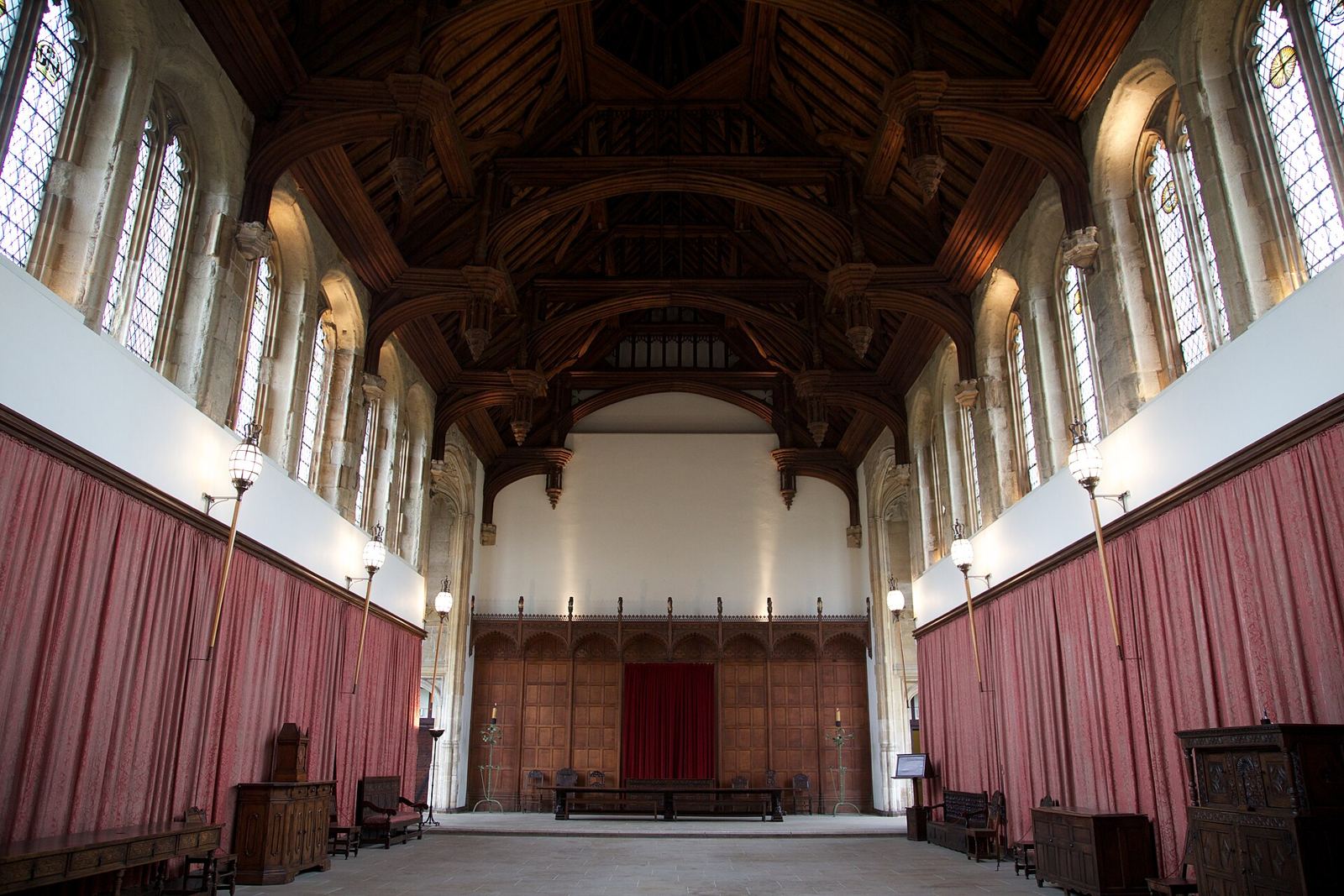
Eltham Palace was the primary childhood home of the future King Henry VIII, who lived here from infancy until his brother Arthur's death in 1502 and returned repeatedly as king. In the late 15th century it was one of only six royal residences large enough to house the entire court of some 800 people.
Why the royal children lived at Eltham
By the reign of Edward IV, Eltham had been a favoured royal manor for two centuries. Edward built the Great Hall between 1475 and 1483 for state occasions, and its size, moat, and clean air 12 kilometres from Westminster made it an ideal nursery palace. Prince Arthur, the heir, was kept at Ludlow to learn government; his younger siblings — Margaret, Henry, Mary and Edmund — were brought up at Eltham under a household of nurses, tutors and guards.
Erasmus's visit, 1499
The scholar Desiderius Erasmus visited Eltham with Thomas More in the summer of 1499. His account is one of the few first-hand descriptions of Henry as a boy. Erasmus records finding the eight-year-old prince "already with something of royalty in his demeanour" in the hall, surrounded by his sisters and household. More presented the prince with a Latin poem; Erasmus, unprepared, was embarrassed into composing one within three days.
What Henry would have known
- The Great Hall, then only about 15 years old, used for feasts and audiences.
- Timber lodgings for the royal children ranged around inner and outer courtyards.
- A tiltyard for jousting practice, on ground now under the moat lawn.
- Private gardens laid out by John Gardener, one of the earliest named English gardeners.
Henry as king
As king, Henry VIII spent Christmas at Eltham several times and used the Great Hall for embassies, but from the 1530s his court preferred Greenwich and Hampton Court, which had direct river access. Eltham slipped into decline. By 1600 much of the outer palace had been demolished for building material, and the Great Hall itself was used as a barn during the 17th and 18th centuries.
What still survives
Visitors today can still see Edward IV's Great Hall — its hammerbeam roof is the third largest of any medieval hall in England, after Westminster and Christ Church, Oxford — the stone bridge over the moat (c.1400), and fragments of the medieval undercroft beneath the Courtauld house. Everything else was lost during the Civil War and after.
For a full walk-through of what remains, see our Highlights page, or the History of Eltham Palace overview.
Keep reading
- Inside Eltham Palace's Art Deco Interiors: A Room-by-Room Guide
Seely & Paget's 1936 remodel is one of the finest surviving Art Deco interiors in Britain. Here is what to look for as you move through the rooms.
- Visiting Eltham Palace with Children: A Family Day-Out Guide
Eltham Palace is one of London's most under-rated family days out: 19 acres of garden, a hidden bathroom of gold, and a very tolerant Great Hall.
Or return to the guides index, review the highlights, or check current tickets and opening times.